Close your eyes during a cam show. What do you notice first? If the answer is everything falls apart, congratulations — you’ve just discovered the dirty little secret the industry rarely talks about. While broadcasters obsess over ring lights, 4K webcams, and backdrop aesthetics, the single element that determines whether a viewer stays, tips, or leaves within thirty seconds has nothing to do with pixels. It’s the audio. And in 2026, the gap between performers who understand this and those who don’t has never been wider.
The Psychology of Sound: Why Your Brain Trusts Ears Over Eyes
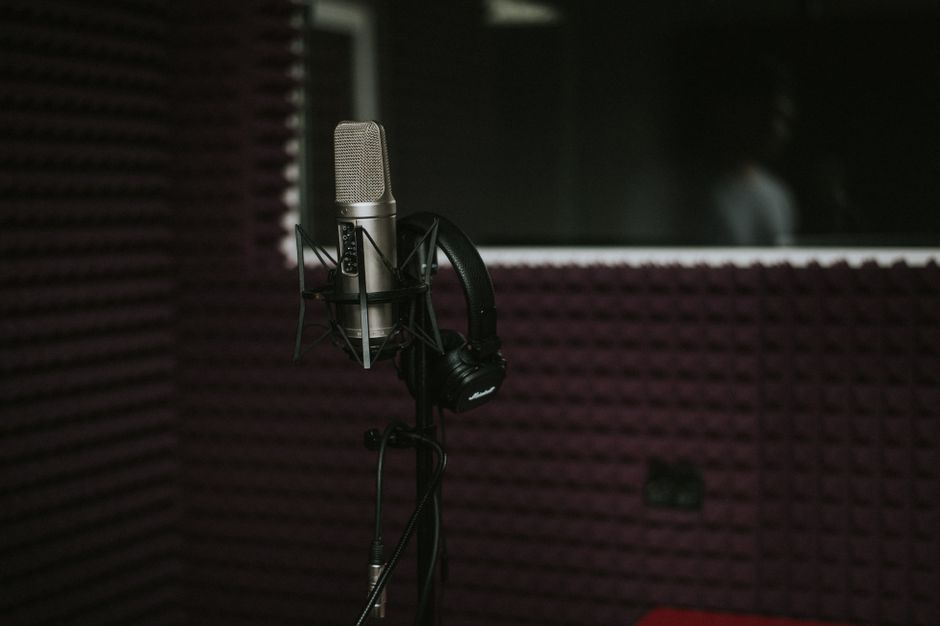
Poor audio quality kills viewer connection faster than poor video quality — and neuroscience explains why. Humans process audio cues faster than visual ones, which means that in live interactive entertainment, sound determines emotional engagement before the brain consciously registers anything else. When a performer's voice cuts out, echoes off bare walls, or gets buried under a buzzing HVAC unit, viewers instinctively sense inauthenticity and disengage — regardless of how sharp the picture looks.
Think about how film directors use silence and whisper to build more tension than any explosion. The same principle applies on cam platforms. A performer who speaks clearly, warmly, and with consistent audio presence feels real. They feel close. And closeness is the entire product being sold.
Research into parasocial relationships — the kind that drive tipping, fan club memberships, and repeat visits — consistently points to vocal intimacy as the primary bonding mechanism. Video quality sets the scene. Audio quality sets the relationship.
The “Radio Test” Every Cam Performer Should Run
There’s a simple experiment worth trying: record sixty seconds of your show with the screen turned off and listen back. Does your voice sound warm and present, or thin and distant? Do background noises compete for attention? This “radio test” strips away every visual advantage and reveals what your audience is actually bonding with — or tolerating. Performers on Stripchat who consistently rank in top engagement metrics tend to pass this test without breaking a sweat.
What Bad Audio Actually Sounds Like (And Why Viewers Bail)
Bad cam audio isn’t always the catastrophic, robotic-robot-voice failure people imagine. More often, it’s subtle — and that’s precisely what makes it dangerous. Viewers rarely think “the audio is bad and I’m leaving.” They just feel vaguely disconnected, slightly fatigued, and quietly click away.
The most common audio problems ruining shows in 2026 include:
- Room echo and reverb — empty, hard-walled spaces turn voices into cave announcements
- Background noise bleed — street traffic, fans, keyboards, and neighbors all compete with the performer’s voice
- Mic self-noise and hiss — cheap USB microphones introduce a constant white-noise layer that fatigues listeners subconsciously
- Clipping and distortion — speaking too close to a low-quality mic creates harsh, crackly peaks that feel almost physically unpleasant
- Inconsistent levels — volume that jumps between whisper and shout forces viewers to constantly adjust their own settings, breaking immersion
Each of these issues chips away at the intimacy that keeps viewers engaged and spending. And unlike a slightly grainy video feed, audio problems feel personal — like the performer simply isn’t there with you.
The Gear Gap: What Separates Amateur Audio from Pro-Level Sound
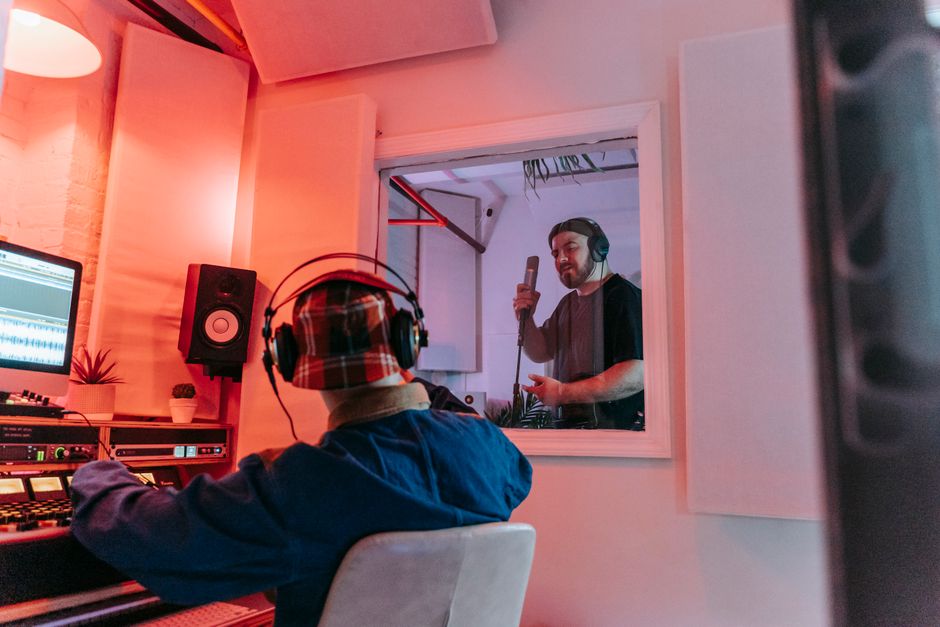
The good news? You don’t need a recording studio to sound like one. The gap between a $15 headset microphone and a $120 cardioid condenser mic is genuinely transformative — and the gap between no acoustic treatment and $30 worth of foam panels is equally dramatic.
想直接體驗?跳過閱讀直接看
The 2026 Starter Audio Stack
For performers looking to upgrade without breaking the bank, here’s a practical starting point:
- Blue Yeti X or Audio-Technica AT2020 — cardioid pattern, USB connectivity, dramatically reduced self-noise
- Acoustic foam or moving blankets — hang behind and beside your setup to kill reflections
- A boom arm or desk stand — keeps the mic at consistent distance from your mouth
- Free software EQ (like Equalizer APO) — cut low-end rumble below 80Hz, boost presence around 3kHz
- A pop filter — eliminates the plosive bursts that make “P” and “B” sounds painful to hear
Total investment: under $200. Return on investment: measurably higher viewer retention, longer session times, and more tips. The math isn’t subtle.
Platform Compression: The Hidden Enemy of Good Audio
Here’s a twist most performers don’t see coming: even if your raw audio is flawless, live streaming platforms compress it during transmission. Every major platform — including Stripchat — runs audio through codecs that strip out data to keep streams stable across varying connection speeds. This means your beautiful, warm, studio-quality voice arrives at the viewer’s headphones slightly degraded.
The solution isn’t to give up on quality — it’s to over-engineer it. Performers who start with excellent source audio still end up with great-sounding streams after compression. Performers who start with mediocre audio end up with something that sounds like a 2003 Skype call.
“I doubled my average session length after switching to a proper condenser mic and adding basic room treatment. Viewers started telling me they felt like I was sitting right next to them. That’s not a video upgrade — that’s entirely audio.”
Audio and Tipping Culture: The Connection You’re Missing
Tipping behavior on cam platforms is deeply irrational in the best possible way — it’s driven by emotion, not logic. And the fastest path to emotional engagement in a live format is voice. The warmth of a genuine laugh, the specificity of using a tipper’s username with the right vocal energy, the intimacy of a whispered response — none of this lands if the audio is fighting against it.
Platforms like Stripchat have made significant investments in 2026 to improve their streaming infrastructure, but the first mile of audio quality — from the performer’s mouth to their microphone — remains entirely in the performer’s hands. Top earners on the platform consistently cite audio investment as one of their highest-ROI production decisions.
Ready to experience the difference for yourself? Browse performers who’ve clearly invested in their setup — you’ll know them the moment they speak.
What Viewers Can Do: Training Your Own Ear
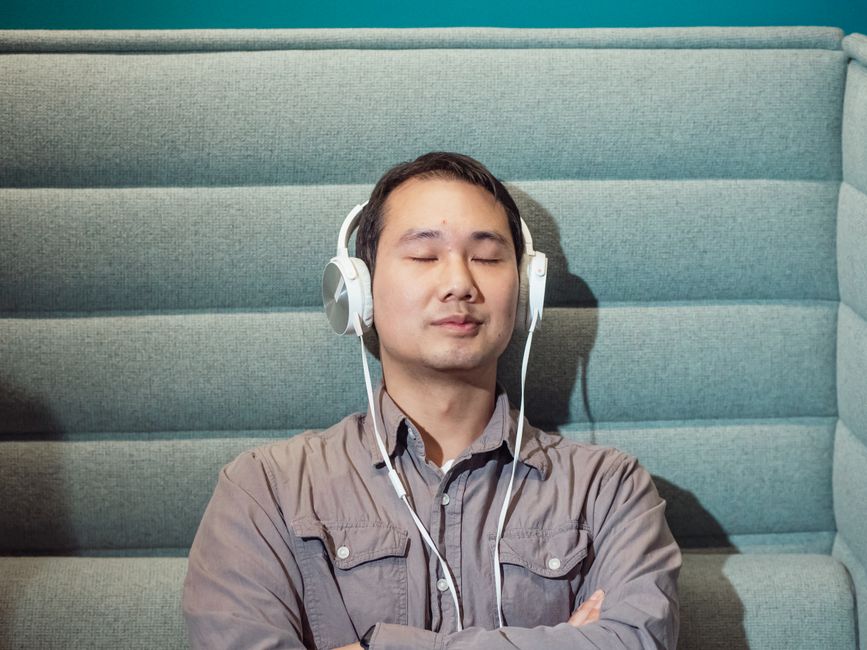
This isn’t just a creator conversation. Viewers who understand audio quality make better choices about where to spend their time and tokens. Once you’ve experienced a show where the performer’s voice feels genuinely present — clear, warm, spatially consistent — going back to a muddy, echoing stream feels like watching a great film on a broken TV.
A few things to listen for when choosing which room to enter:
- Does the performer’s voice sound like it’s in the room with you, or coming from a hallway?
- Is there a constant background hiss or hum underneath their speech?
- Does their volume stay consistent, or does it jump around when they move?
- Can you hear them clearly even when they speak quietly or laugh?
These details separate a professional setup from a casual one — and they’re usually visible (or audible) within the first ten seconds of entering a room.
The Future of Cam Audio: Spatial Sound and AI Enhancement in 2026
The most interesting development in cam audio for 2026 isn’t a new microphone — it’s AI-assisted real-time audio processing. Several emerging tools now allow performers to apply noise cancellation, reverb reduction, and even light EQ correction live, as they stream. The result is a broadcast-quality voice output even from imperfect environments.
Meanwhile, platforms are beginning to experiment with spatial/binaural audio for premium subscription tiers — the kind of 3D sound experience that makes a voice feel like it’s coming from a specific point in space around your head. When this technology matures and scales to mainstream cam platforms, the performers who’ve already built their audio fundamentals will be positioned to leverage it immediately. Those still streaming through laptop mics will be left further behind than ever.
The audio arms race is quiet — almost imperceptible to the casual viewer. But the performers winning it are collecting the tips, the fans, and the longevity that come with making people feel something real. And it all starts with a microphone worth trusting.
Find Performers Who’ve Got the Full Package
Great cam entertainment in 2026 is a convergence of presence, personality, and production quality — and audio sits at the center of all three. Whether you’re a viewer hunting for genuinely immersive shows or a performer ready to invest in the upgrade that will actually move your numbers, the starting point is the same: take sound seriously.
Stripchat remains one of the best platforms to find creators who’ve made that investment — performers whose streams feel intimate, present, and worth every token. Browse by category, filter by quality, and let your ears guide you as much as your eyes.